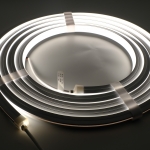
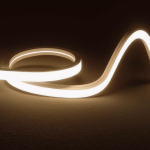
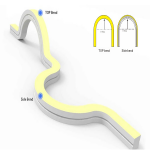
1616-3D neon light
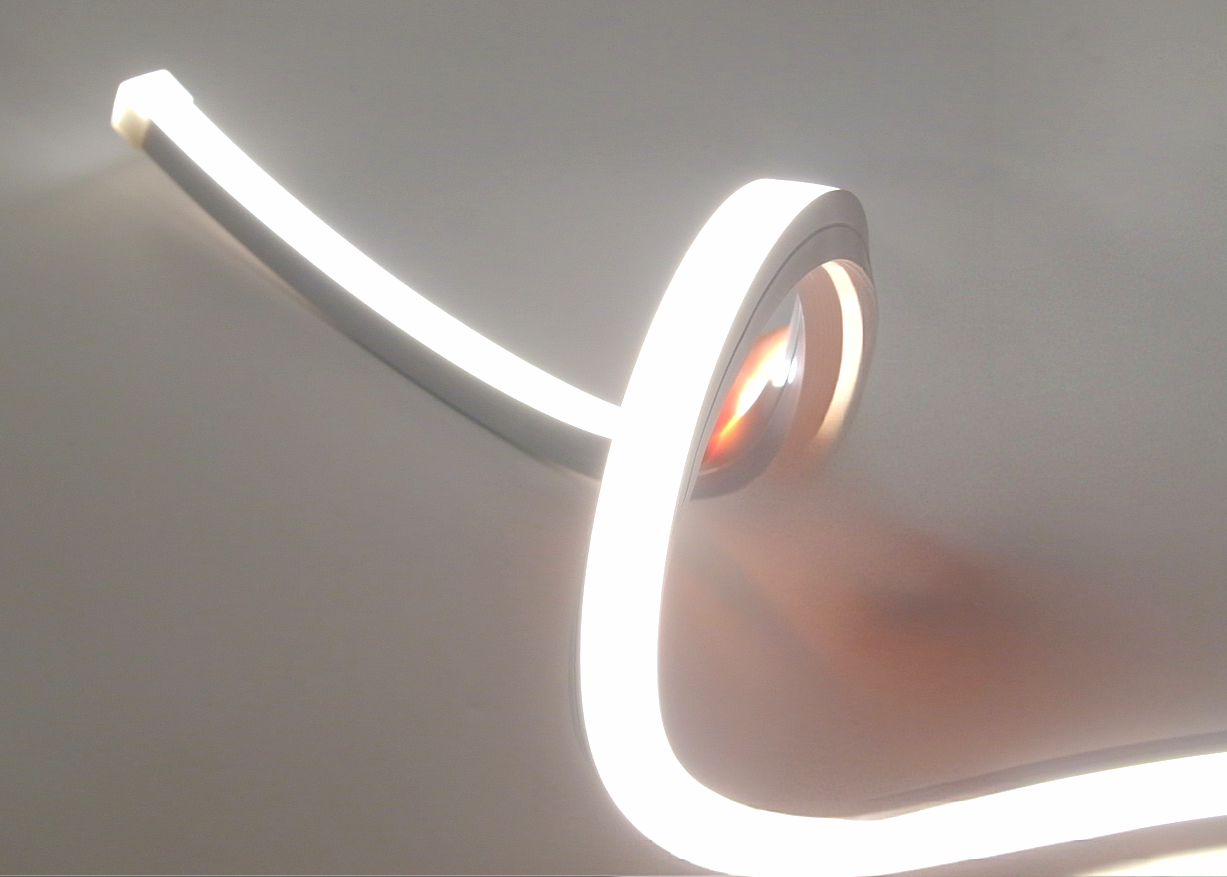
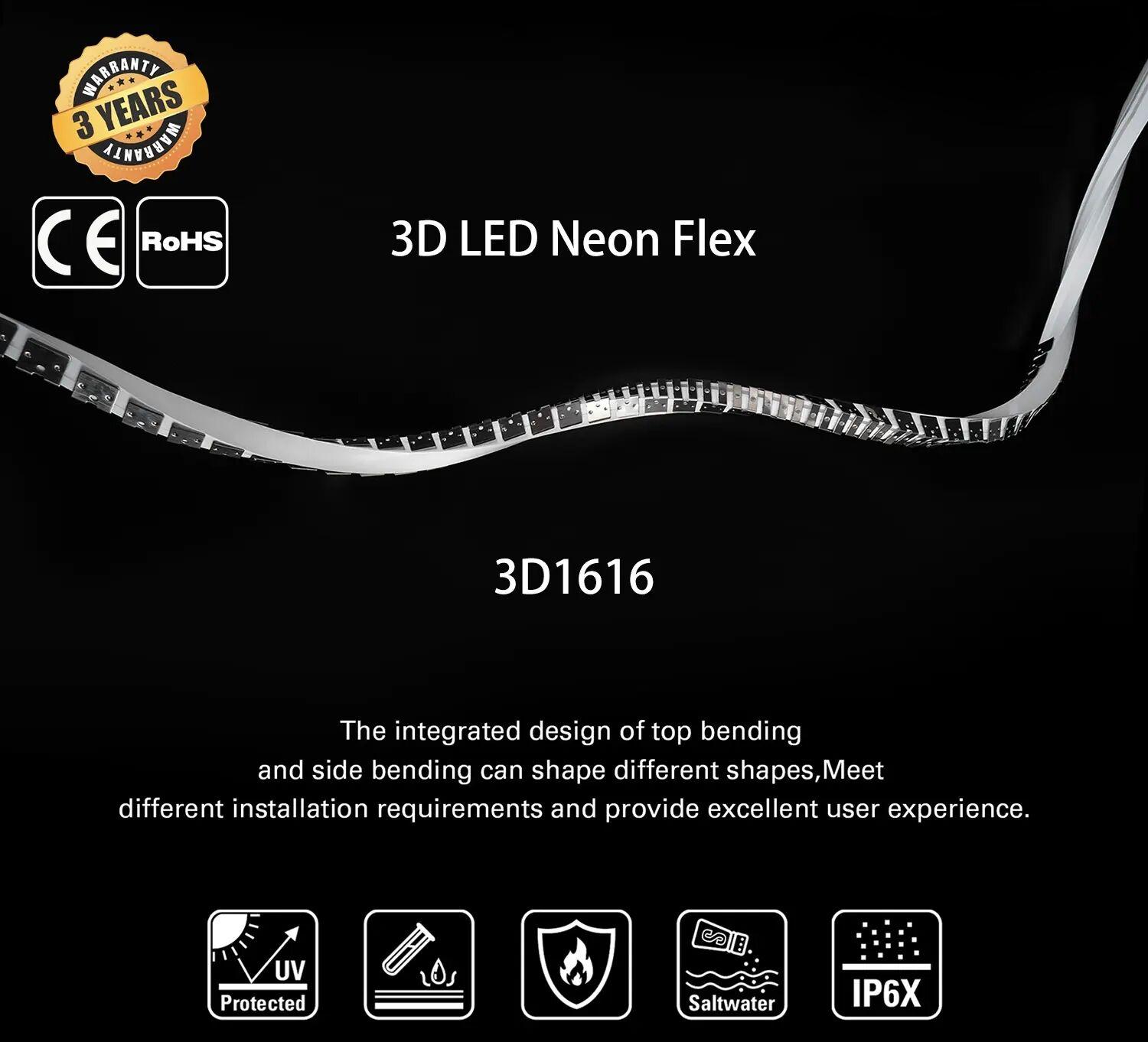
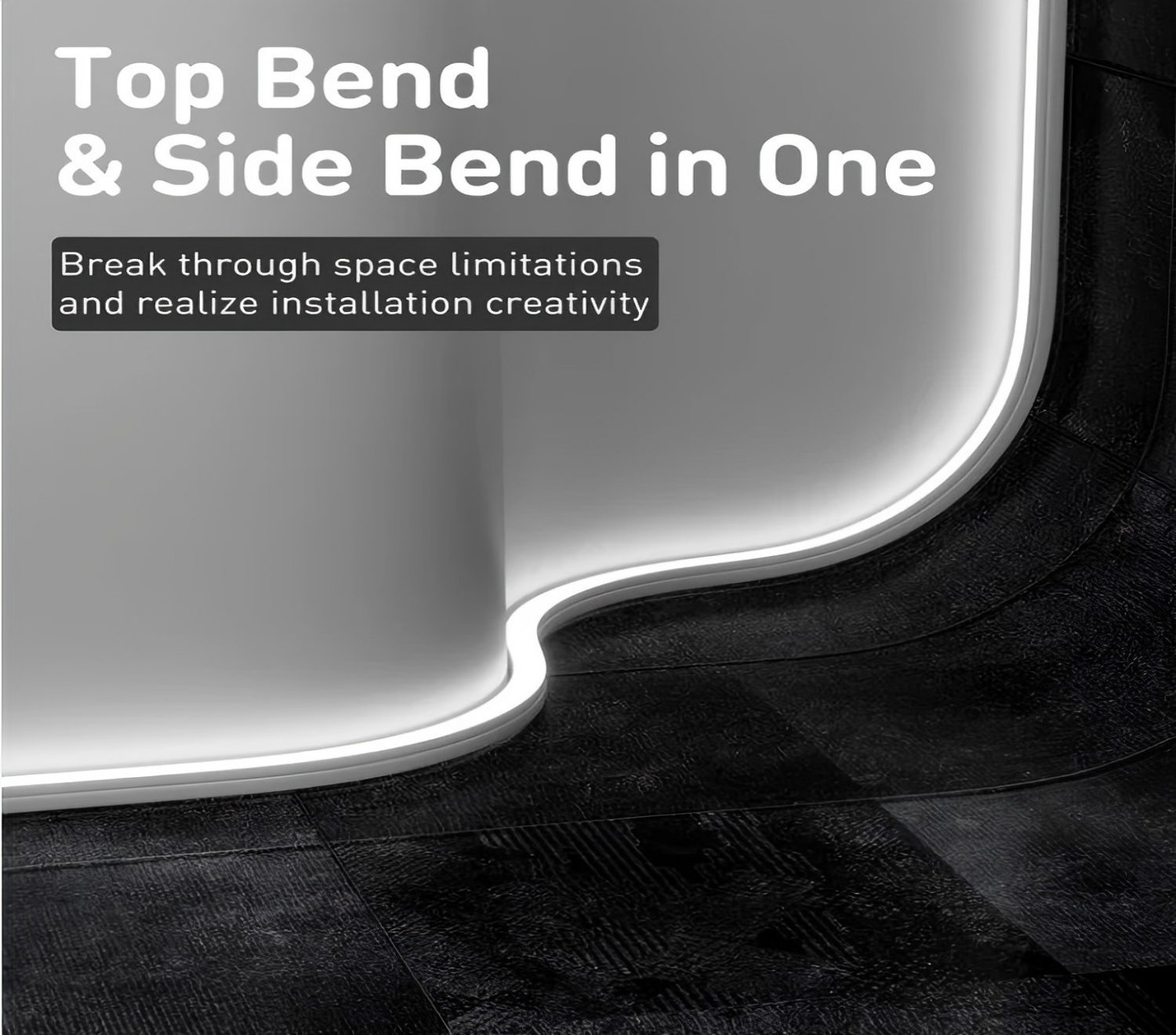
3D Top bend & side bend 1616 Silicone LED Neon Flex
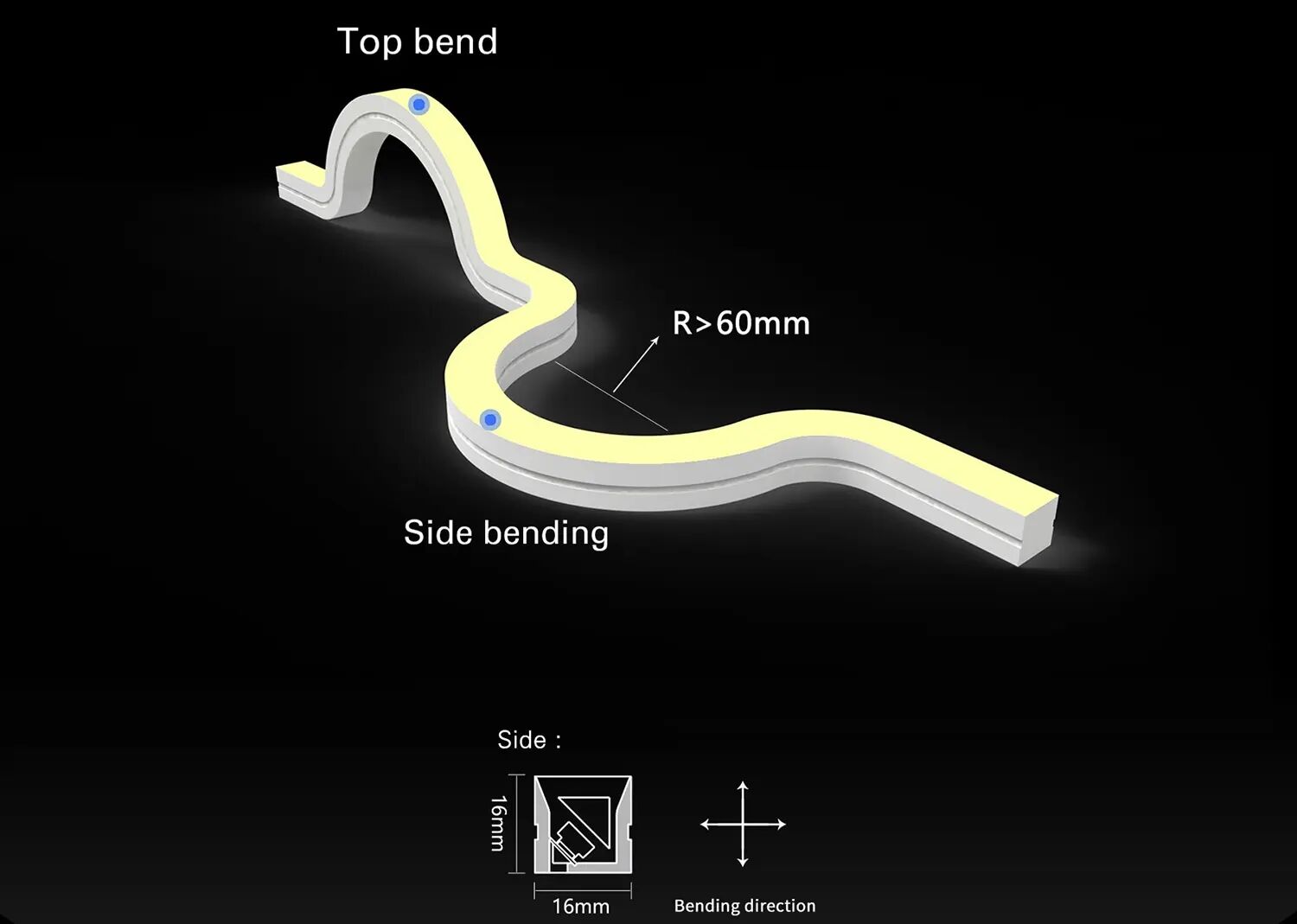
*IP67 FLEX LEDNEON 3D1616, combined with vertical bending and horizontal bending to meet the request of the
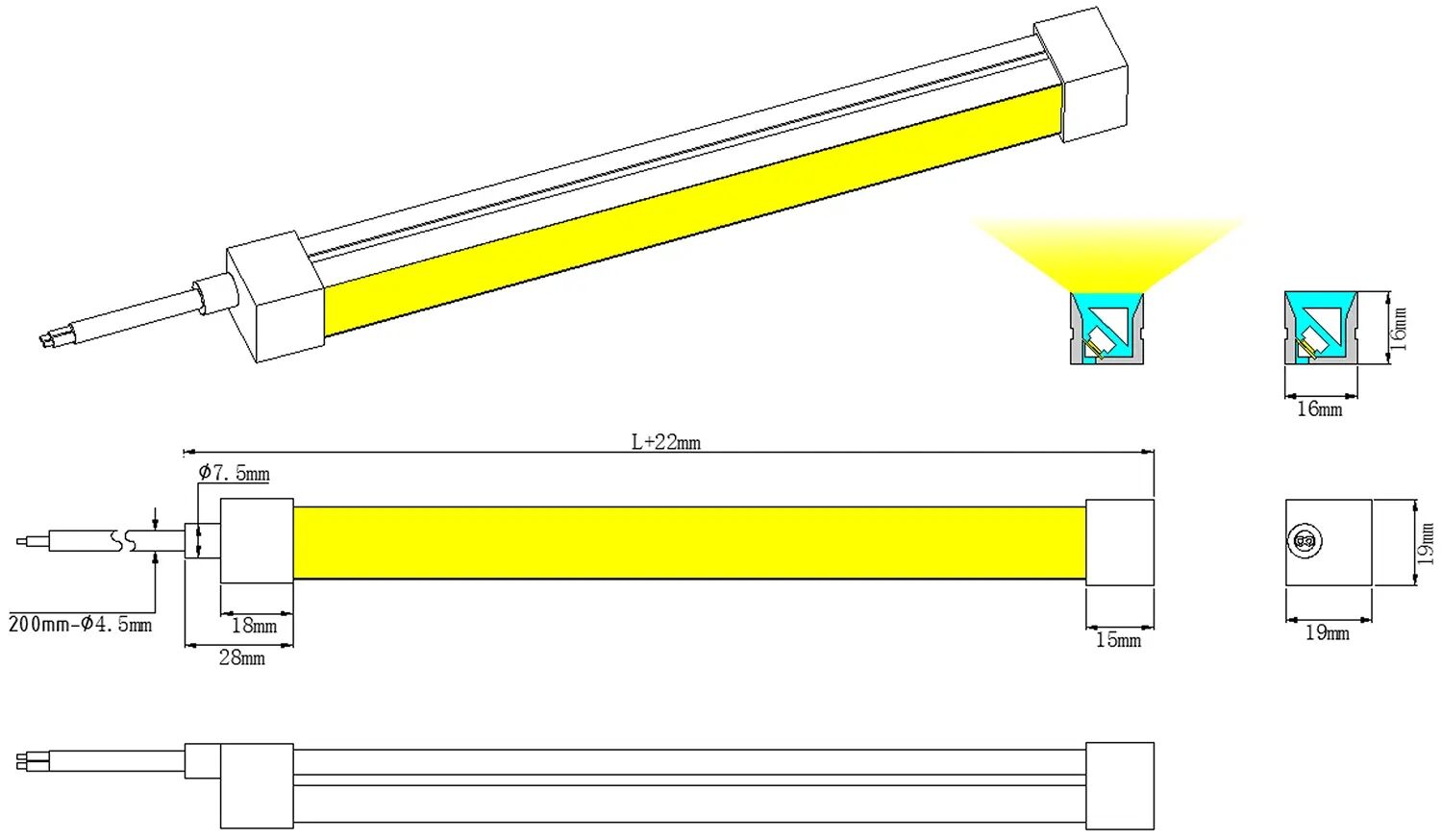
different applications. Cross section size 16mm x 16mm(W x H)
*Colors option: 2700K,3000K,3500K,4000K,5000K,6000K,Red,Green,Blue,Yellow,Pink,Orange
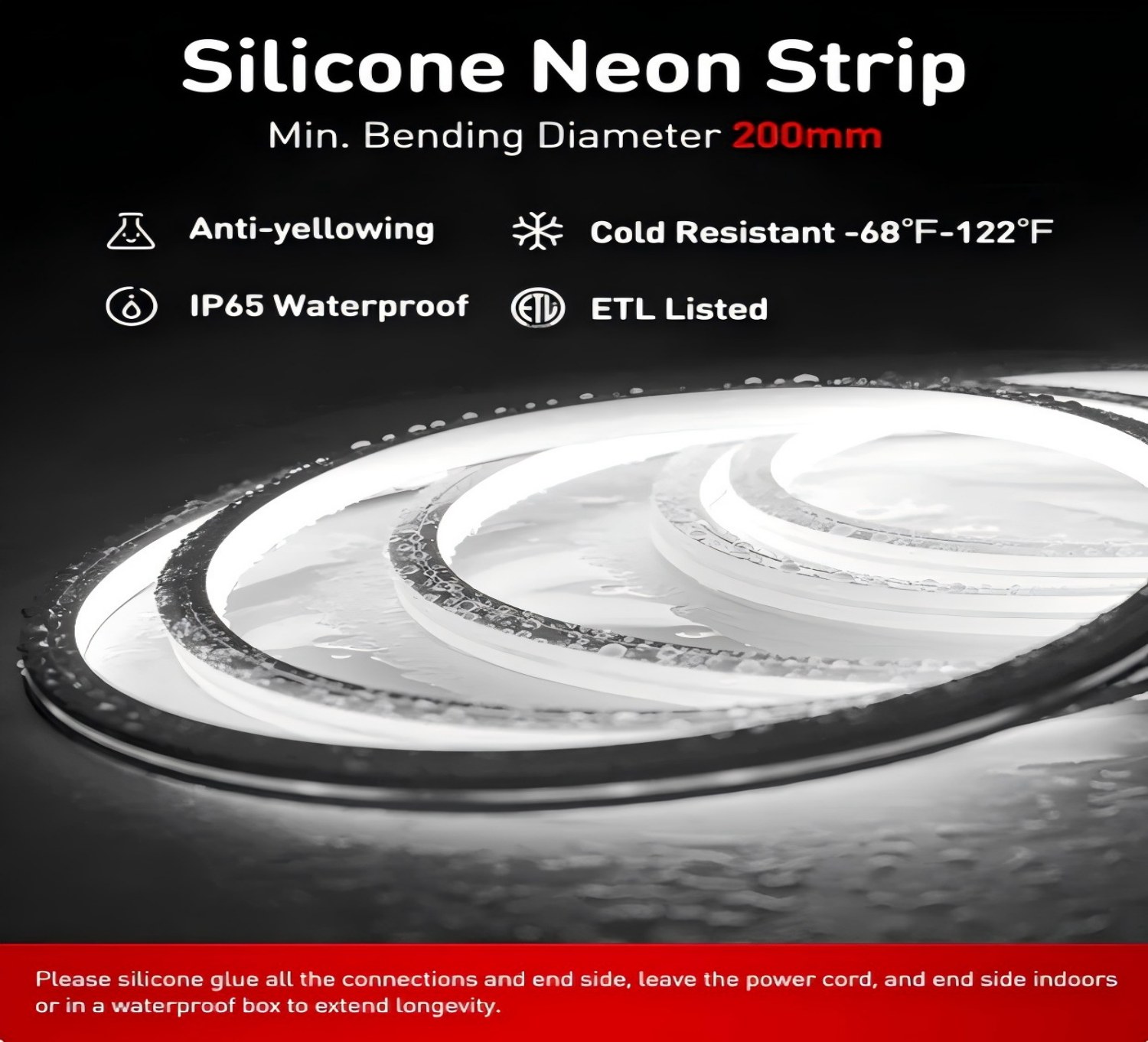
*It is IP67 protected, UV resistant, solvents resistant and saltwater resistant.
*Dot free will bring the most excellent performance for indoor & outdoor applications.
3 years warranty, working life ≥30000 hours.
Specifications
Classification of LED Neon Flex Lights
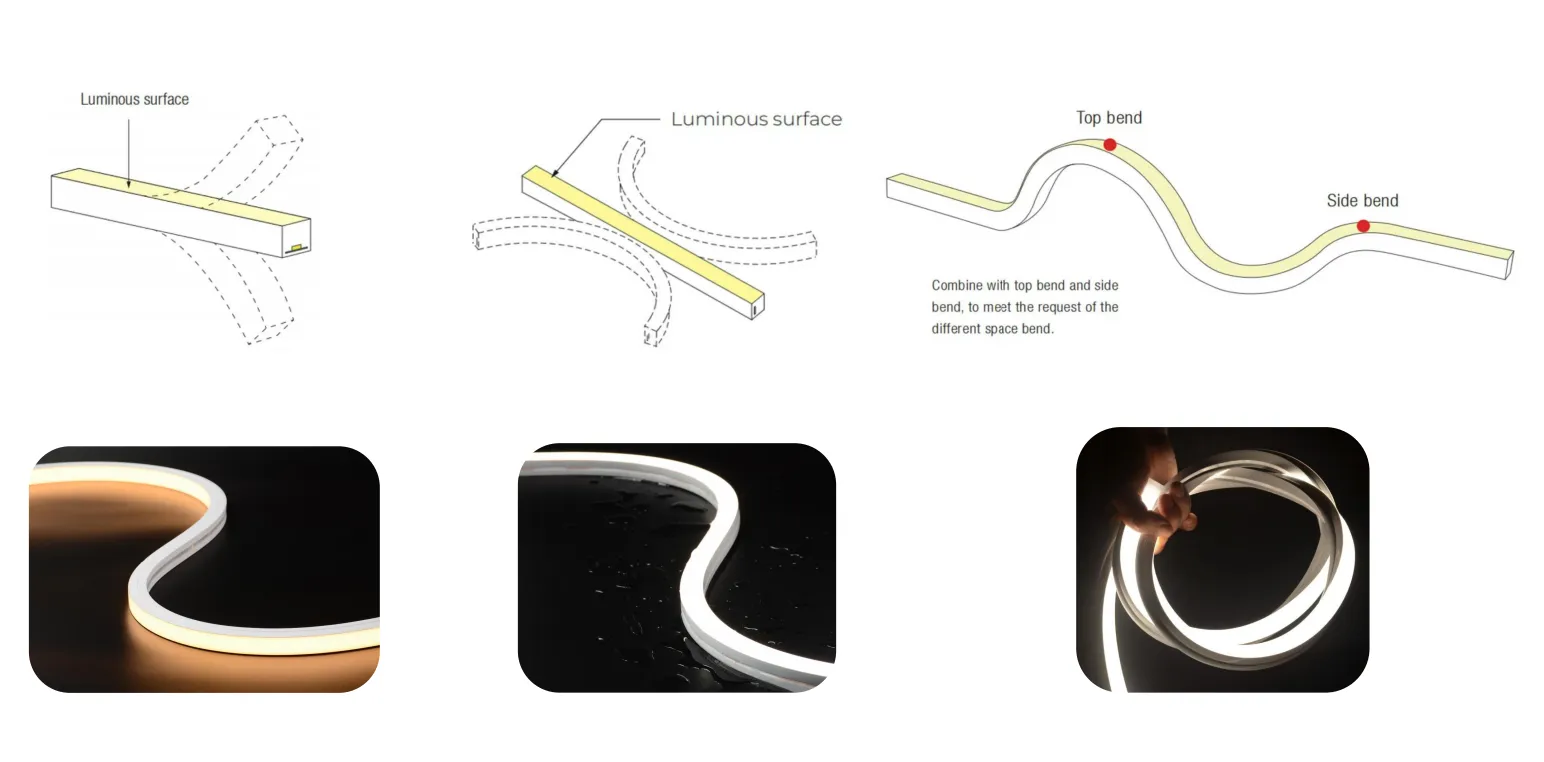
Bending Direction: Horizontal Bending(Side Bending), Vertical Bending(Top Bending), 3D Bending(Horizontal & Vertical Bending), 360 Degree Round
Housing Material: PVC / Silicone / PU(Polyurethane)
Working Voltage: Low voltage(12V/24V/36V/48V), High voltage(120VAC/220VAC)
Light Color: Monochrome, Tunable White, RGB, RGBW, DMX512 Pixel RGB, SPI Pixel RGB
Top Bend Silicone Neon Flex Side Bend Silicone Neon Flex 3D Bend Silicone Neon Flex
Definition
3D Bending Series LED Neon Flex is a type of flexible neon strip specially engineered to allow bending in both horizontal (side bend) and vertical (top bend) directions simultaneously. This unique flexibility enables designers to create complex, three-dimensional shapes, curves, spirals, and creative installations that traditional single-axis neon flex cannot achieve.
Applications
Complex 3D logos
Creative sculptures or art installations
Large-scale architectural lighting requiring multiple curves in different directions
Advantages
Maximum design freedom
Reduces the need for multiple product types
Enables sophisticated projects that are impossible with standard neon flex
Disadvantages
Higher cost due to complex structure
More demanding production and installation process
Example
An international hotel chain wants a 3D glowing sculpture in the lobby. Only 3D Bend Neon Flex can achieve the twisting and multi-directional shapes required.

Dimensions
Introduction
What is LED Neon Flex Lights?
LED Neon Flex Light is a flexible linear uniform light that uses high brightness SMD LED strips as the internal light source and is wrapped with silicone, PVC or PU(Polyurethane) to diffuse the light.
What are the features of LED Neon Flex lights?
1. The working voltage is low because of the LED light source. The power consumption is small and energy-saving. Even in the 24Vdc, it can work well, and its power consumption generally does not exceed 15W per meter.
2. High brightness. The light source is made of ultra-high brightness SMD LEDs, with a density of 120 LEDs per meter, ensuring high brightness and an overall uniform luminous effect.
3. Durable and long life. The light source is made of LEDs, which can last up to 50,000 hours. The flexible silicone/PVC/PU gel is also used, so there is no problem breaking like traditional glass neon light.
4. Flexible, the LED neon flex light can be bent to a minimum diameter of 5CM and sheared.
5. Safe. Unlike traditional glass neon lights, which require a high voltage of up to 15,000V for regular operation, the LED neon flex light operates at 12V or 24V and is safe to use as it will not break and has low heat dissipation.
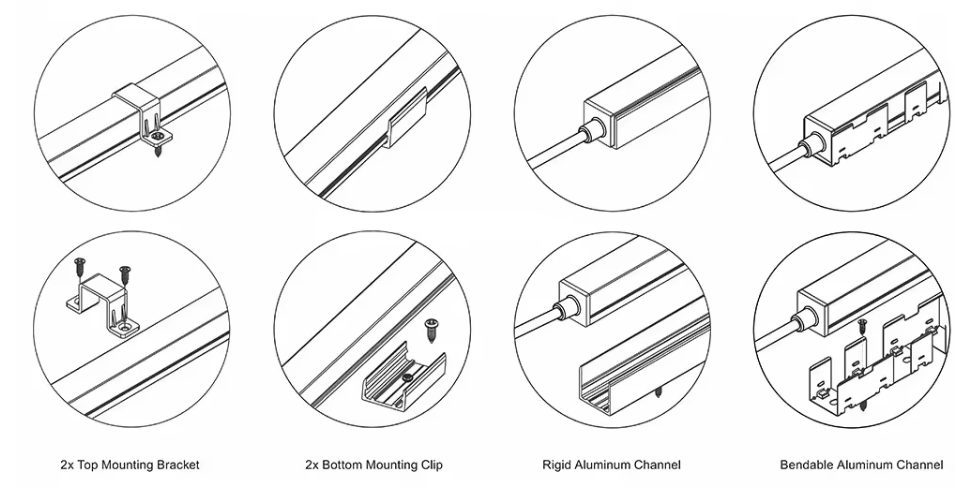
6. Simple and easy to transport and install. Because the light source is LED and the casing is PVC/Silicone/PU, it will not break during transportation. You only need to fix the mounting clips first or mounting channels, then press the LED flexible neon into mounting clips or mounting channels.
What is the advantages of LED Neon Flex Lights compare with Traditional Neon Lights?


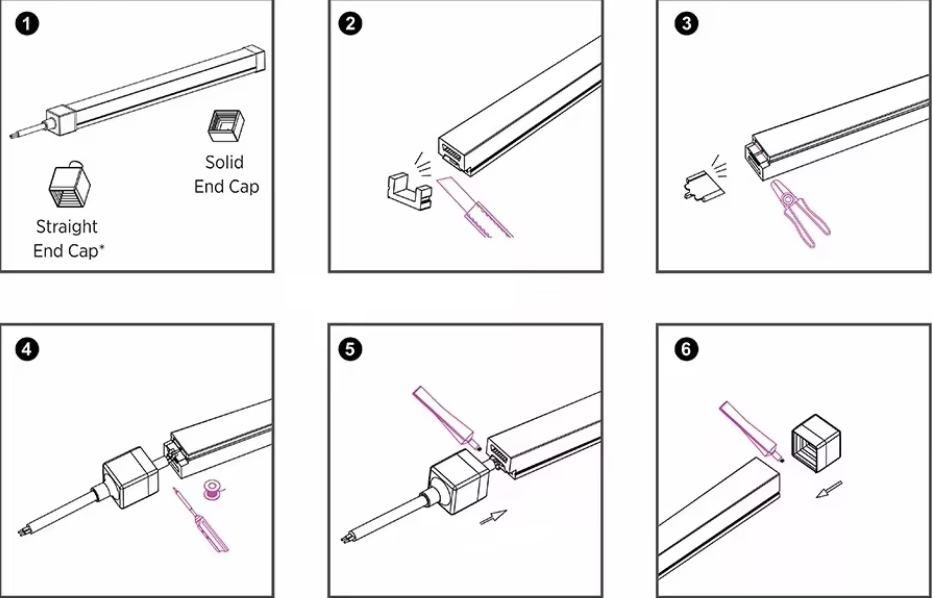
How to cut, solder and power LED Neon Flex Lights?
Step 1. Measure the length
Step 2. Find the cut position on the LED Neon Flex
Step 3. Cut the led LED Neon Flex
Step 4. Cut off some silicone from the LED Neon Flex
Step 5. Soldering cable to LED Neon by electric iron
Step 6. Fill silicone in LED Neon and endcap
Step 7. Light up the LED Neon to test
Step 8. Wait for the silicone to dry and solidif
How to install LED Neon Flex Lights?
Step 1: Measure the length
Step 2: Find the cut position on the LED Neon Flex
Step 3: Cut the led LED Neon Flex to size
Step 4: Attach connectors to LED Neon
Step 5: Connect the power plug to LED Neon
Step 6: Use screws to fix the mounting clip or mounting channel to the place you need to install
Step 7: Press the LED neon light into the mounting clip or mounting channel
Step 8: Light up the LED Neon to test
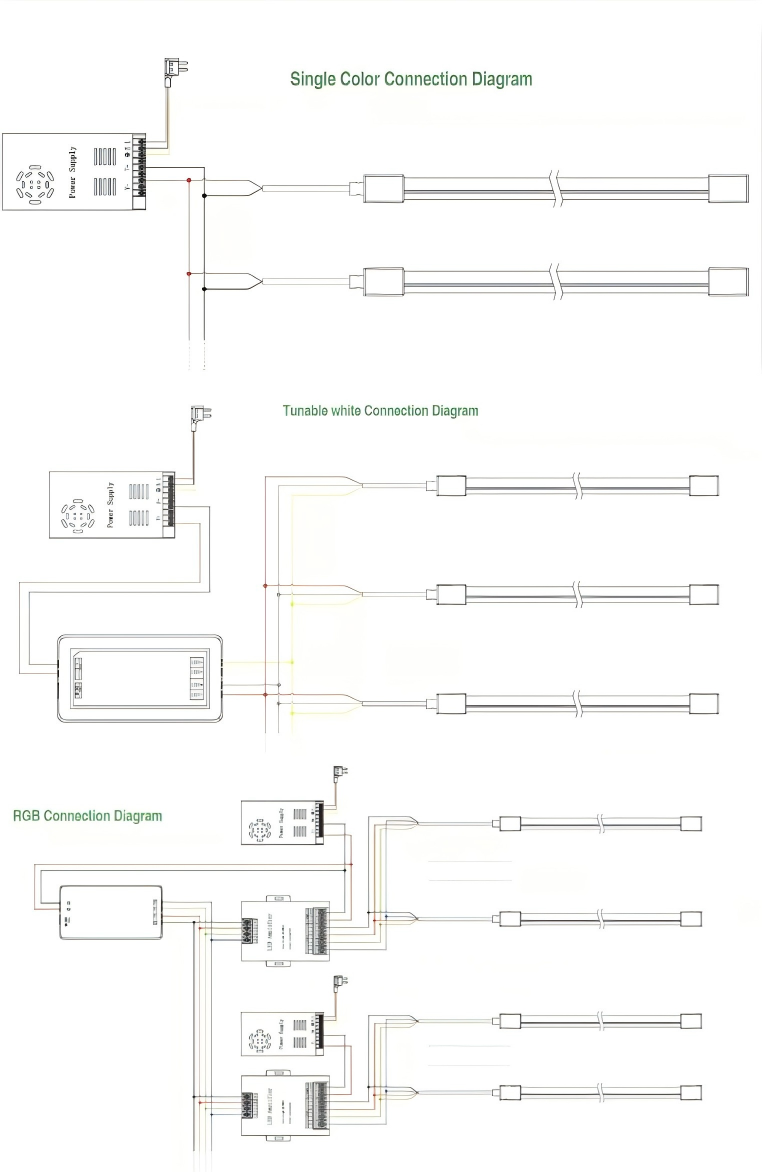
How to connect LED Neon Flex Lights to power supply?
Step 1: Check the working voltage of LED Neon Flex
Step 2: Find a compatible power supply and controllers if need
Step 3: Install the LED Neon Flex on the place your desired
Step 4: Install the power supply and controllers
Step 5: Connect the LED Neon Flex to power supply or controllers
Step 6: Light it up
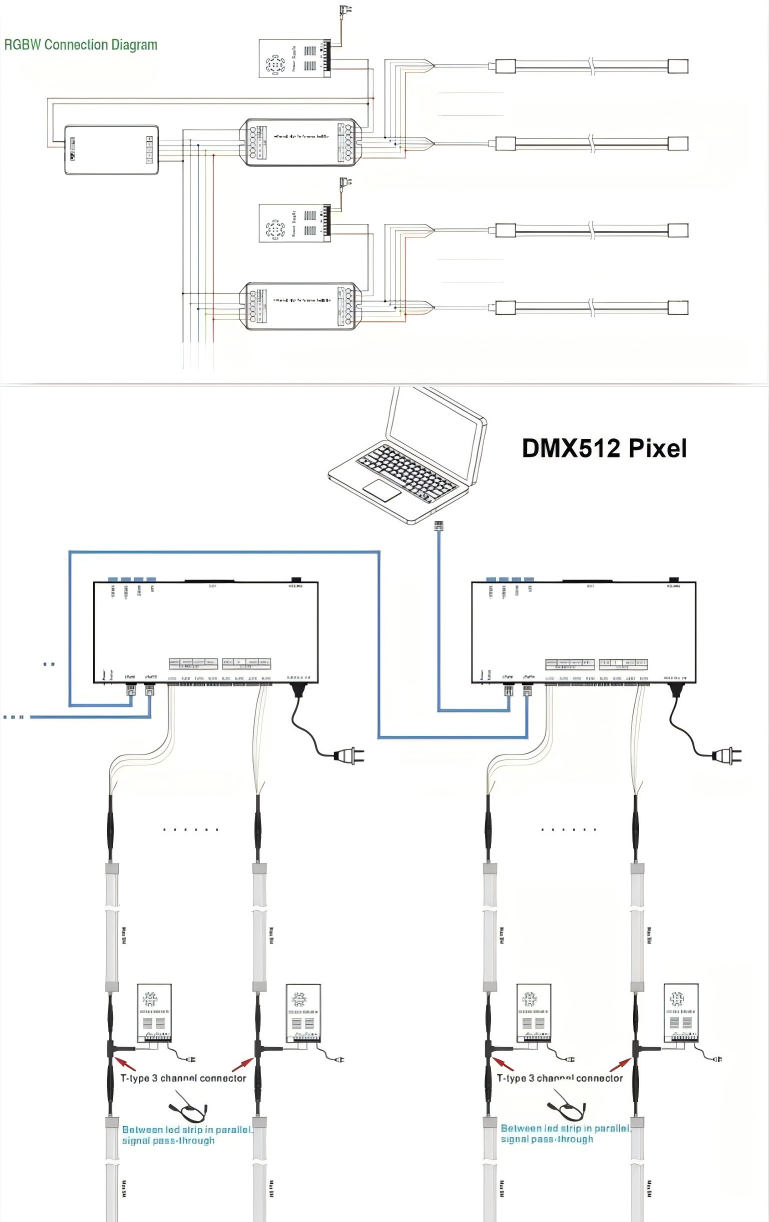
Please check the wiring diagram below:
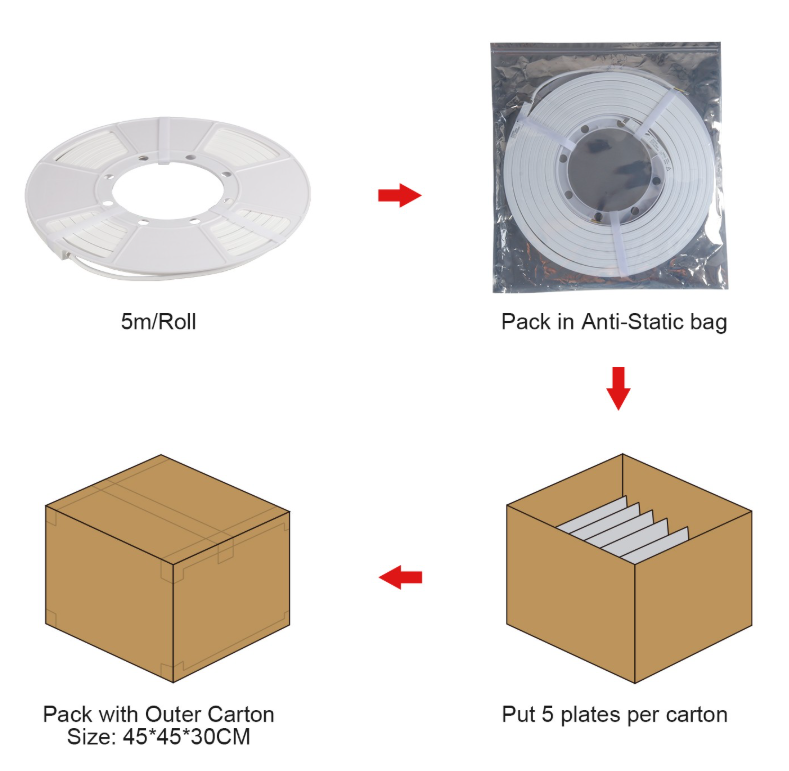
How to package neon light strips
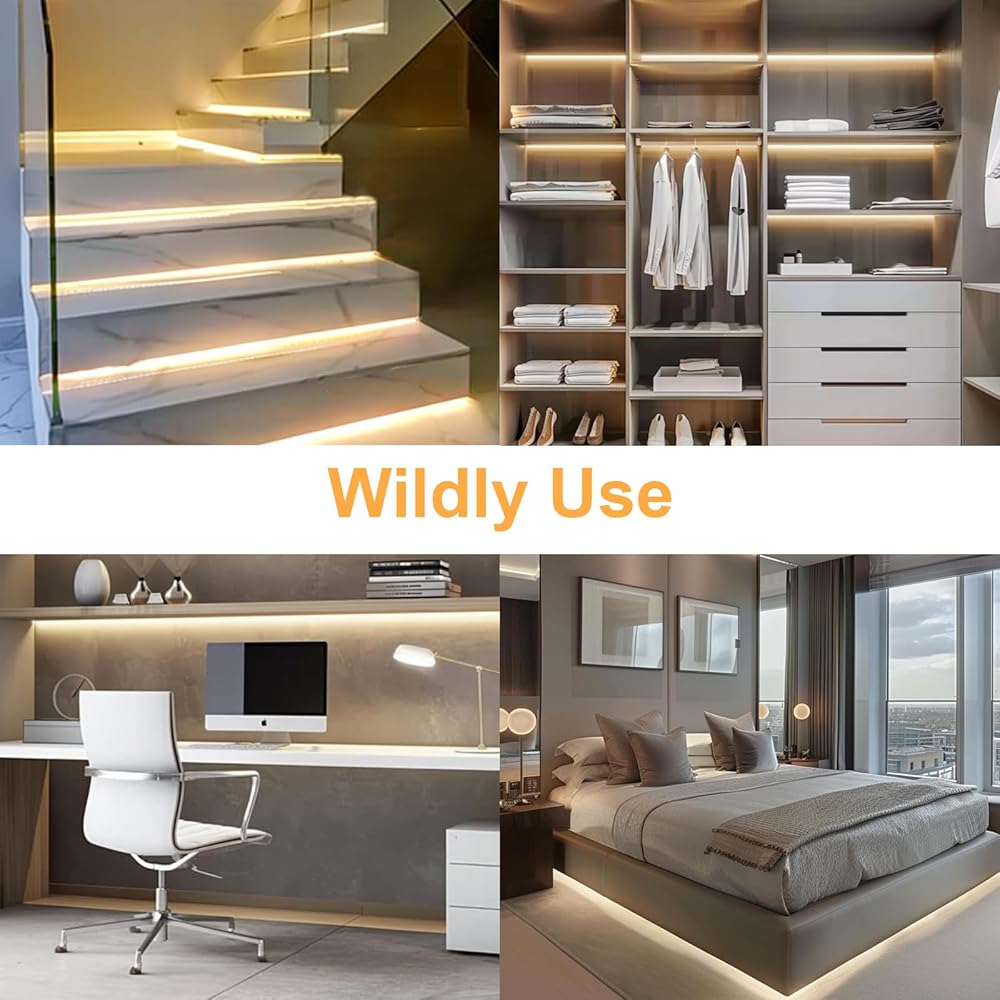
What is LED Neon Flex Lights used for?