
Introduction
Advantages of Using LED Strip Grow Lights
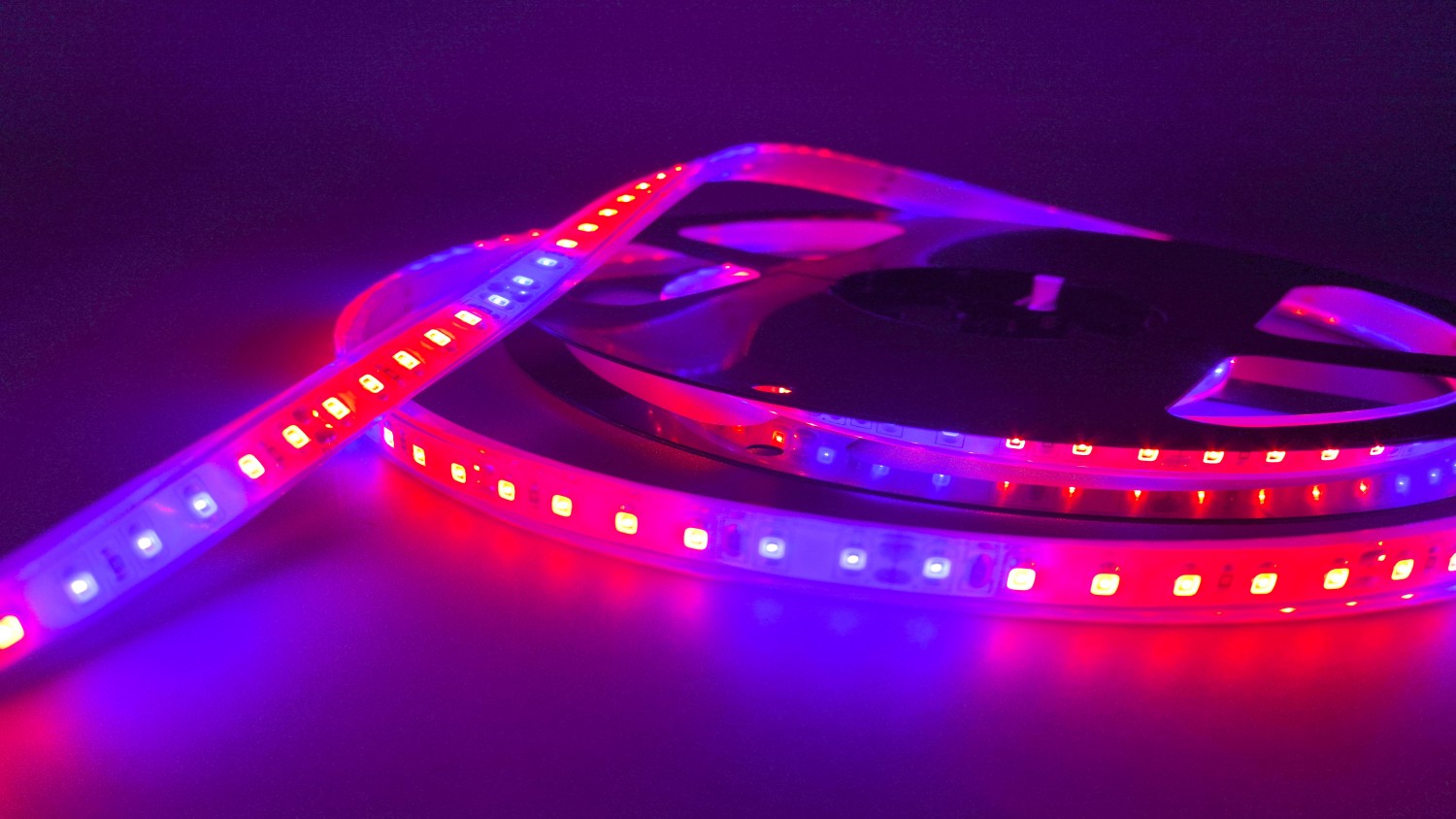
LED strip lights have essentially replaced all other solutions for indoor plant growth, and this is because of the excellent range of advantages they provide. Advantages that neither hobbyist projects nor industrial-scale projects can do without.
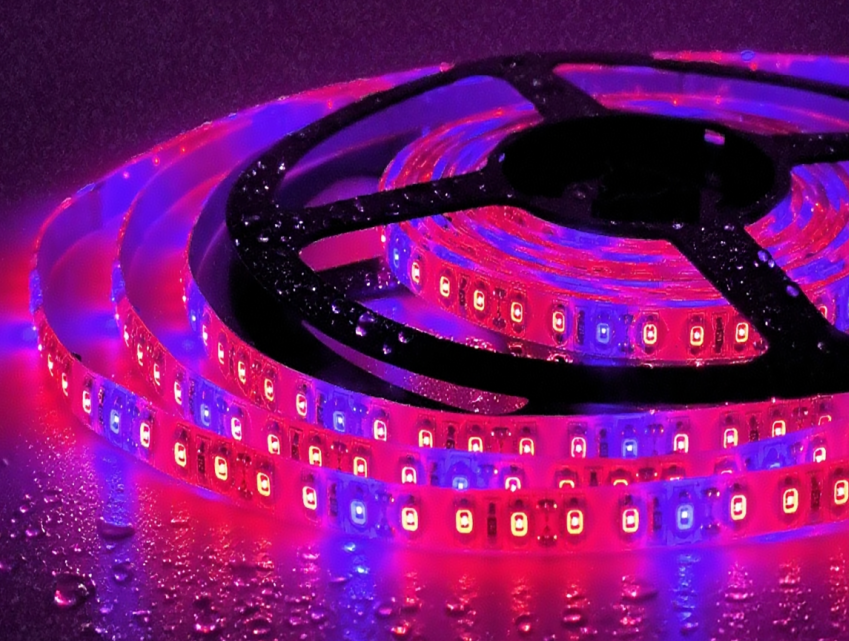
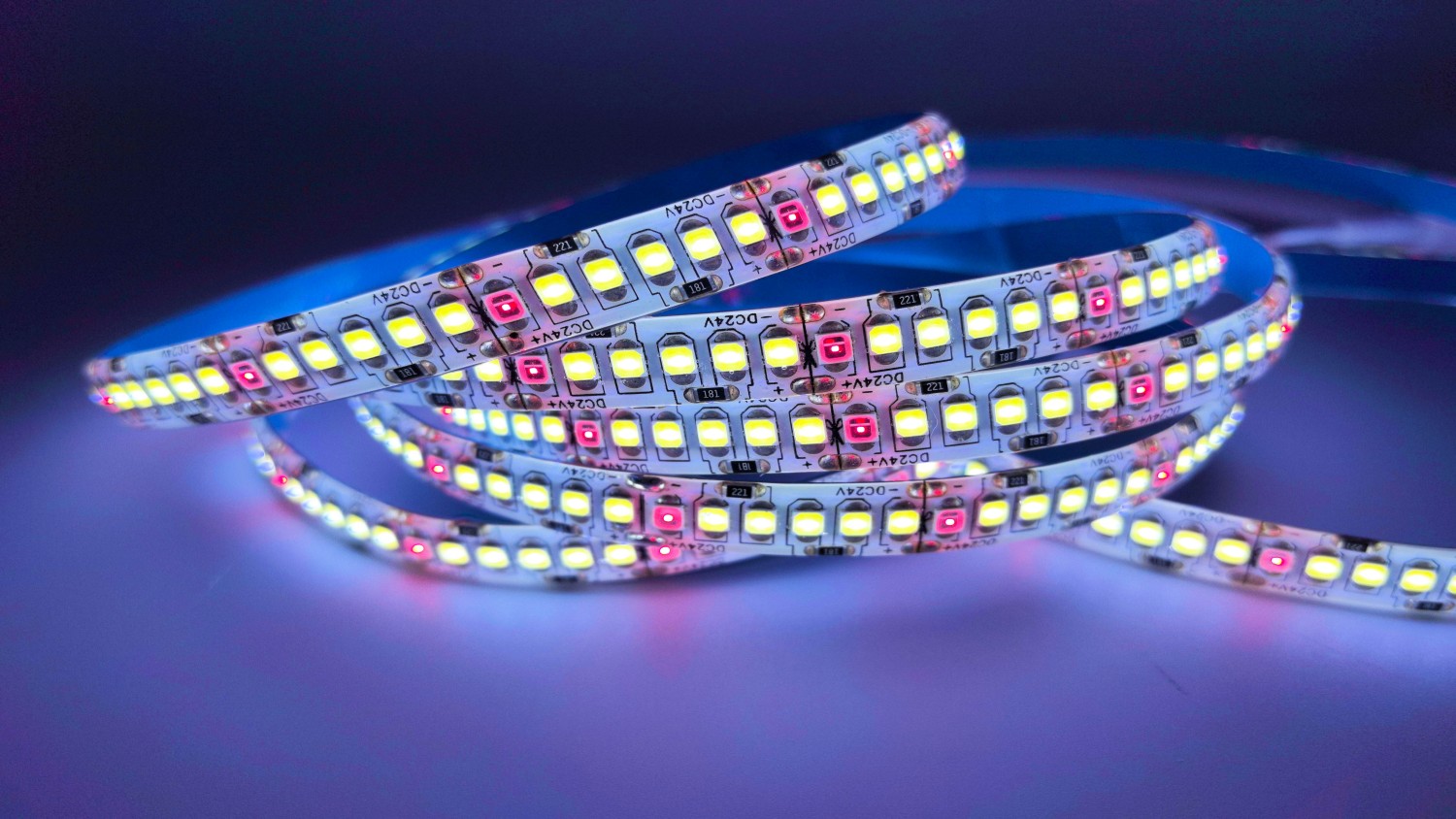
【Can be Cut】The plant growth light is flexible and soft, can be cut into any length you need, and the rest will not be damaged. In this way, you can stick it on any clean and dry surface above plants, so that it can be adjusted and fixed and the plants can absorb the light better.
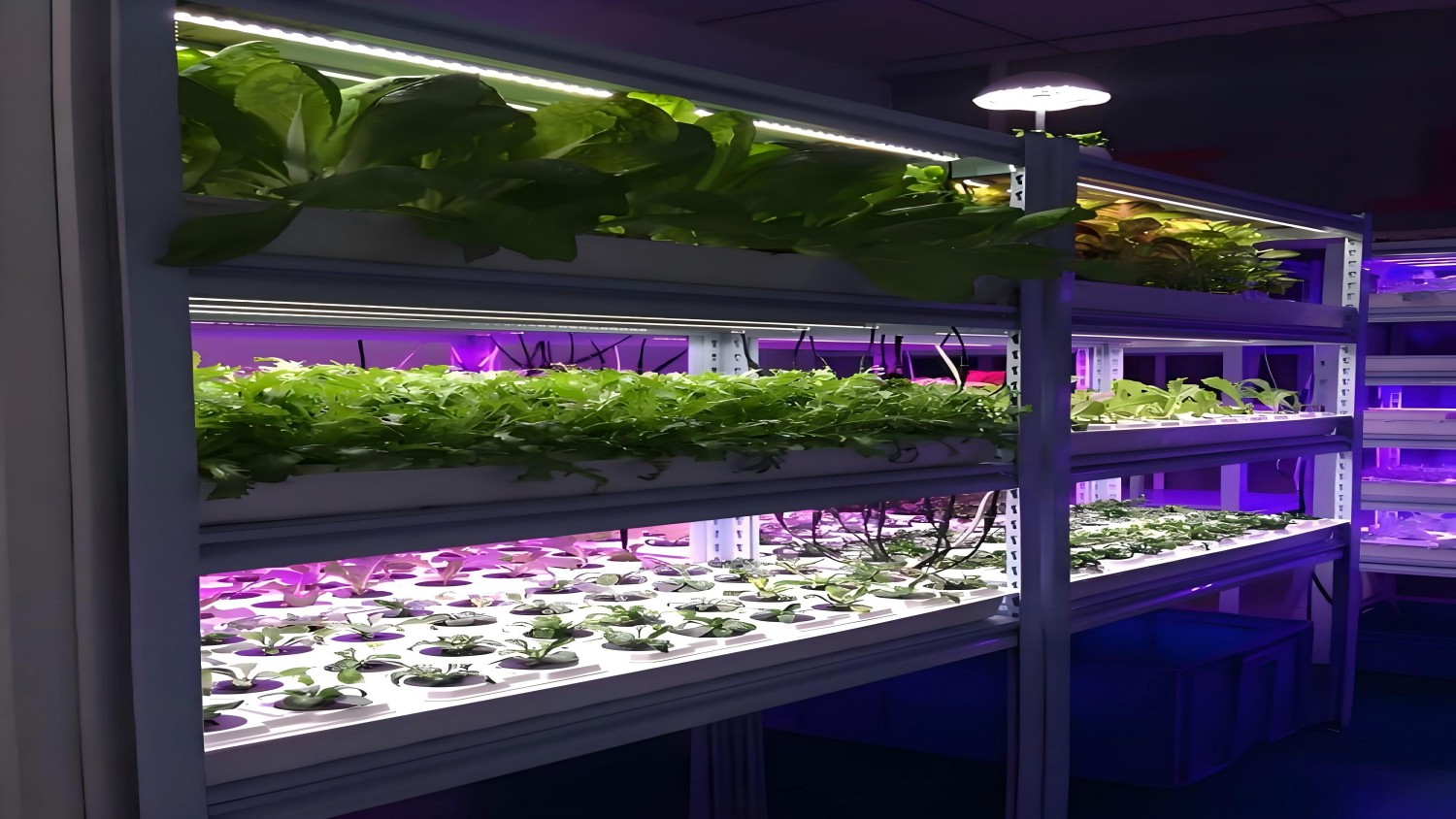
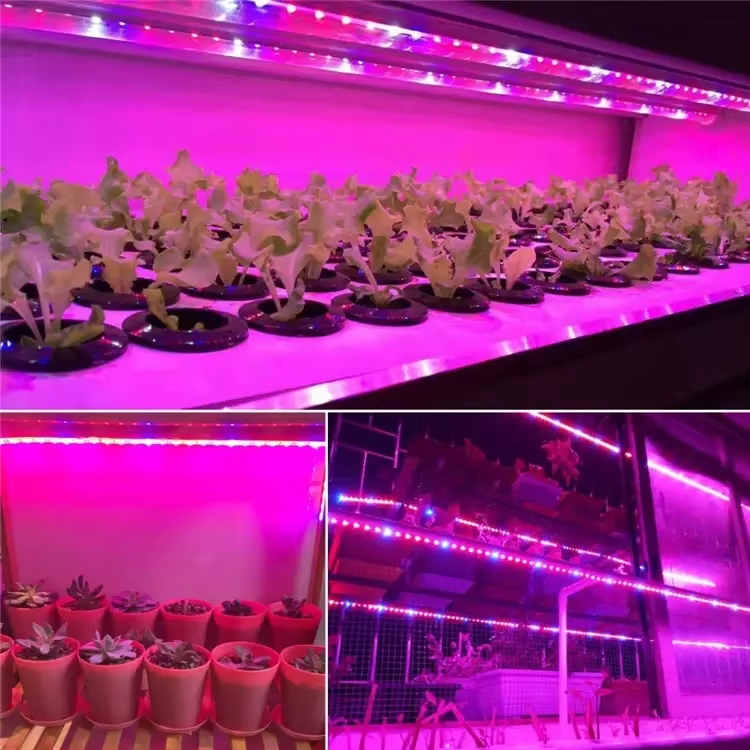
【APPLICATION RANGE】Plant lights indoor full spectrum, rich wavelength types, consistent with the spectral range of plant photosynthesis and light morphology, can be combined as pure monochromatic & compound spectrum. Grow lamp for indoor plants, specific wavelength to irradiate plant evenly. Indoor greenhouse with grow light, suitable for plant tissue culture, vegetable, fruit planting, facility gardening, factory seedling breeding & aerospace ecological life protection system.
【Durable quality】The 3M double-sided tape on the back of the lamp belt can be directly and quickly pasted, Flexible light strip for bending and folding, more durable quality, Intimate tailoring lines to meet the length you want, you can arrange your ideas as you wish.
Follow these steps and you will find the best LED grow lights for your indoor plants.
Step 1: Clarify your lighting needs
1) How big is your growing space?
The size and quantity of LED grow lights you buy will depend on the size of your growing area. For LED grow lights, the basic rule of thumb is 40 watts of real power per square foot of growing area. For example, if your growing space measures 20 square feet, you will need to purchase a grow light of approximately 800 watts.
2) What plants are you going to plant?
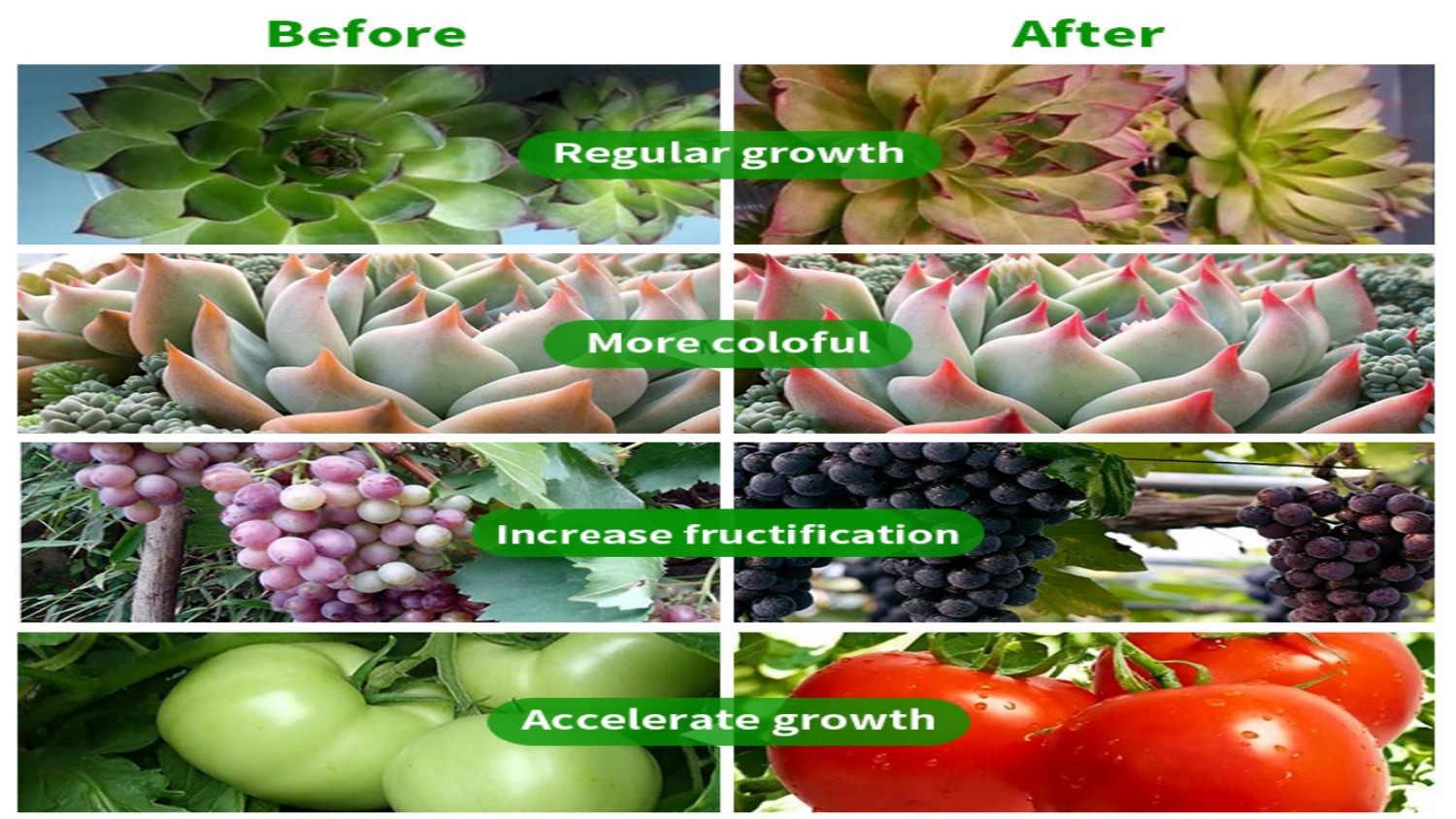
Growing different plant varieties requires different light intensity, spectra, and light exposure time in different growth stages. To be specific, light-requiring plants such as succulents require stronger light intensity and longer light time, and they also need ultraviolet light for coloring, while shade-requiring plants such as orchids require relatively less light.
3) Where will your LED grow lights be installed?
Take a look at your growing environment and think about what kind of installation method would be more friendly.
ceiling-mounted//Hanging vertical (can be placed directly on the countertop or th
e ground)//free installation style (can be wall mounted or with clips for flexible positioning)
Step 2: Estimate the performance of the LED grow lights needed
1) Estimate how bright the grow lights you need should be. There are two dimensions to evaluate the light intensity of grow lights. One is PPFD and the other is PPF. PPFD is the concept of optical density, which is related to area and position. PPF is the concept of total light amount, which is related to the basic physical properties of light. It is complex for ordinary users to understand PPFD. To make it simple, to estimate how bright a light you need, we can evaluate the PPF.
The evaluation method of PPF is straightforward. PPF=PPFD x used growing area. For example, your balcony has an area of 4 square meters for growing vegetables. Generally speaking, the PPFD range required by vegetables is 200-300. You can take the middle-value PPFD-250, then the PPF =250 X4=600μmol/S. So you can buy a grow light with a PPF of 600μmol/S.
2) Check whether the spectrum is suitable. Each plant type has unique behaviors and light requirements in different growth stages. Full spectrum lighting is necessary to grow robust plants. You’ll probably be unhappy with the outcome if you focus the light too much on one end of the spectrum. Using a light source composed of red and blue wavelength chips is inappropriate.
Selecting a full-spectrum grow light is advised. The ideal grow lights for your plants are full-spectrum grow lights since they mimic natural sunshine the closest. Natural sunlight emits light across all spectra, even ultraviolet and infrared rays invisible to the naked eye.
3) Evaluate how large an LED grow light suits your environment.
This size, width, and height can be evaluated. For example, if your balcony is 1 meter long, then the limit of the length of the grow lights you choose is 1 meter. Those longer than this length cannot be purchased. Although the excess part can be installed, it is outside the growing area. This portion of the light is wasted.
4) Do your LED grow lights need other features? Do you need a timing function, an adjustable height function, a dimming function, a higher IP rating, or an automatic on/off function?
Application:
 Joyce
Joyce Joyce
Joyce